The operational payoff of unified fleet and equipment management software for mid-size businesses
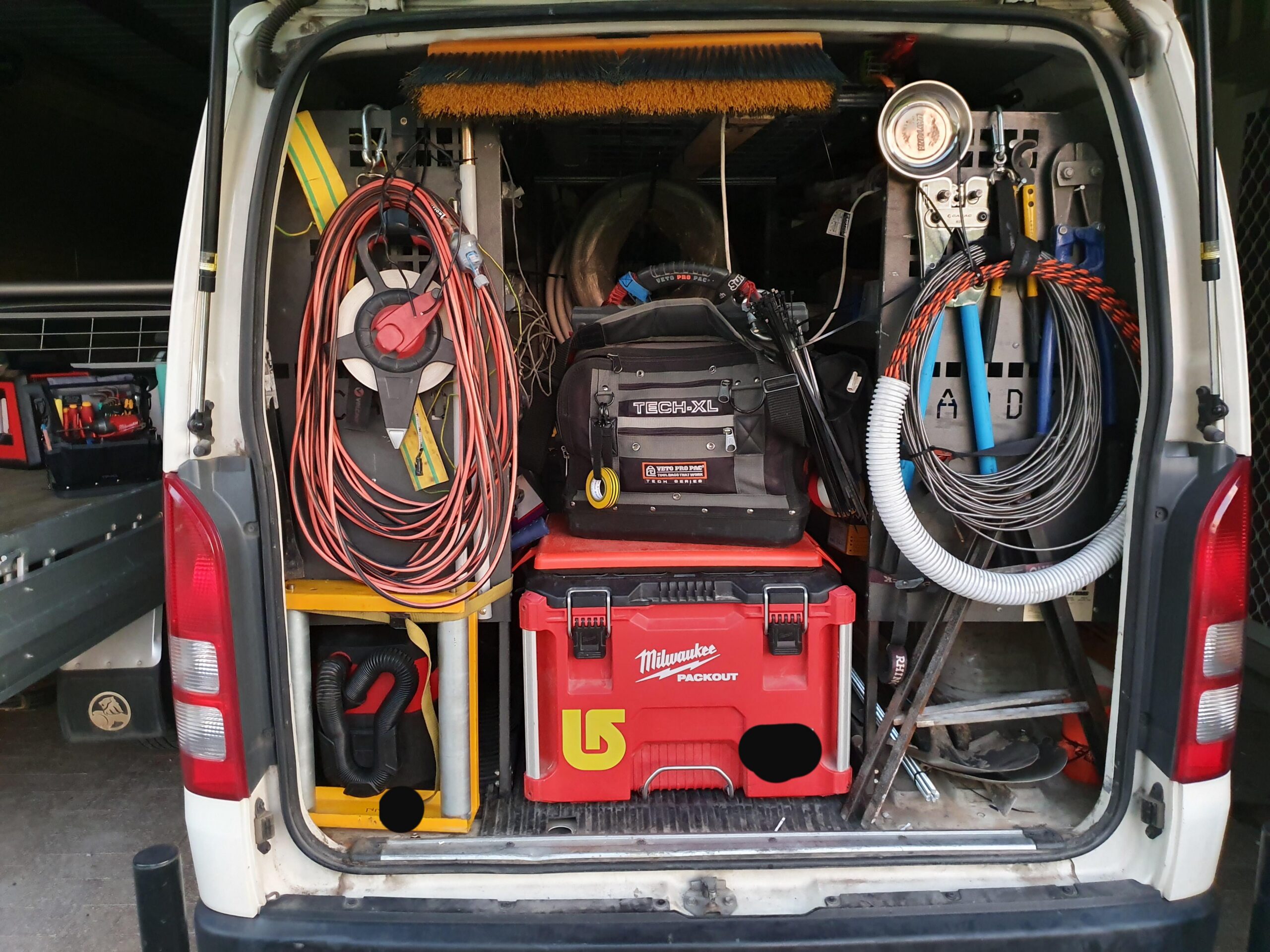
If your field teams rely on vehicles and equipment to deliver work, you’re running an interconnected operation… whether your systems reflect that or not. The biggest wins often come from connecting three everyday workflows: dispatch, maintenance, and accountability.
Here’s what changes when mid-size businesses manage fleet and equipment in one place, using a single asset management software foundation.
Where separate tools create real operational friction
- Dispatch gaps: the right truck is available, but the required equipment isn’t (or its status is unknown).
- Maintenance blind spots: service history lives in one system, usage lives in another, and nobody trusts the schedule.
- Profit leaks: late jobs, emergency rentals, overtime, and “lost” tools quietly eat margins.
What a unified approach looks like (simple, not complicated)
A combined setup doesn’t need to be fancy. It just needs consistent rules:
- Every vehicle and every piece of equipment has an owner record and a status.
- Assets can be assigned to a crew/site/job, and that assignment is time-stamped.
- Maintenance is driven by triggers (time, mileage, hours, condition) and captured in one CMMS workflow.
4 benefits you’ll actually feel week-to-week
1) Dispatch gets faster and more accurate
When dispatchers can see a vehicle and its required gear in one view, you avoid last-minute surprises. That means fewer calls, fewer substitutions, and fewer “we’ll swing back later” trips.
2) Maintenance planning becomes proactive
In a unified system, your maintenance team can prioritize what truly impacts uptime. For example:
- schedule a van service before a high-mileage week
- pull a compressor for inspection after a heavy-use project
- bundle tasks to reduce downtime (one stop, multiple assets)
This is where asset management software + CMMS discipline pays off—less firefighting, more predictability.
3) You reduce tool loss without micromanaging people
Lost tools are rarely “theft.” They’re usually poor handoffs. Basic check-in/check-out and assignment history creates a culture of care without turning your process into bureaucracy.
4) Job costing improves because reality is captured
When you can tie assets to jobs and see usage patterns, you can:
- justify replacements with evidence
- spot underutilized equipment
- set smarter rental-vs-own rules
How Bulbthings supports unified fleet and equipment management
Bulbthings is an AI, all-in-one platform built for growing businesses that want operational clarity without heavyweight complexity.
- One database for all assets: fleet and equipment tracked the same way.
- Field-friendly tracking: assignments, locations, and status updates that match how teams work.
- Maintenance workflows: CMMS-style work orders, recurring tasks, and history you can trust.
If you’re tired of “the truck is ready, but the gear isn’t,” a single system is the fastest way out.
Conclusion
Managing fleet and equipment separately is a hidden tax on dispatch speed, maintenance planning, and job profitability. A unified approach makes the day-to-day smoother… and the long-term decisions easier.
Want to unify fleet, equipment, and CMMS maintenance in one place? Take a look at Bulbthings, an AI-powered asset tracking software and asset management software platform designed for mid-size teams.