Asset management for Laboratories — 2026 challenges & solutions
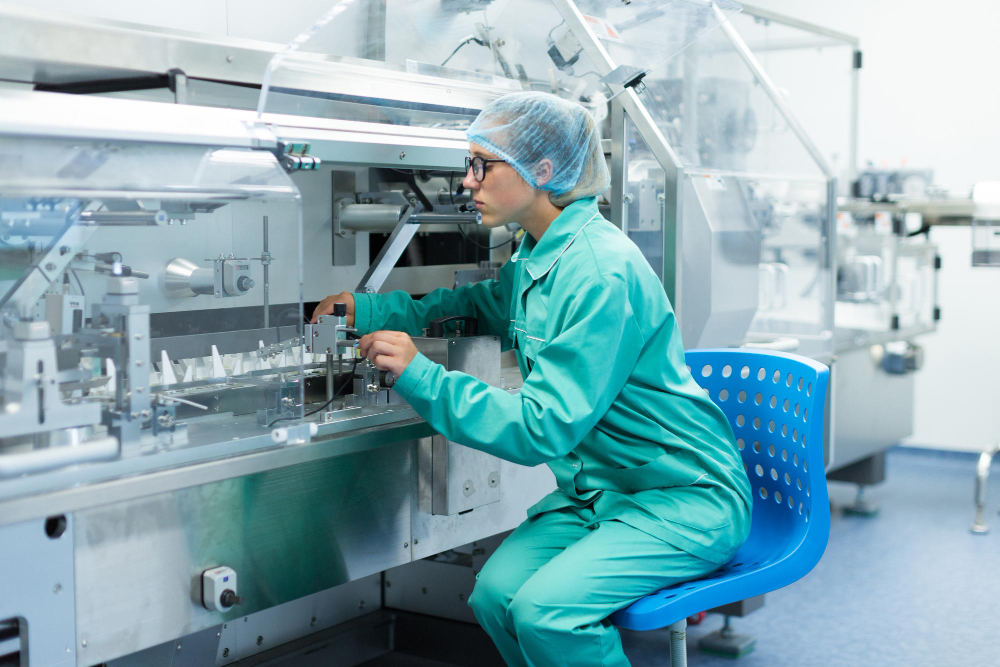
Laboratories don’t just manage “assets.”
They manage precision.
Whether you operate a research lab, a testing laboratory, or a certification and inspection facility, your work depends on equipment being accurate, calibrated, traceable, and available exactly when needed.
Centrifuges, microscopes, spectrometers, environmental chambers, pipettes, analytical instruments, freezers, controlled substances, PPE, and IT equipment are all part of the operational backbone of modern laboratories.
When something isn’t maintained, traceable, calibrated, or in stock, it’s not just inconvenient. Results are delayed, compliance is questioned, and accreditation can be put at risk.
In 2026, mid-size laboratories across research, quality testing, and certification don’t need a heavyweight enterprise asset management system built for global corporations. But spreadsheets and scattered systems are no longer enough either.
Modern labs need structure, traceability, and automation without turning operations into an IT project.
What Mid-Size Laboratories Are Actually Managing
Most growing laboratories manage several different asset families, each with different operational requirements.
Scientific Equipment (High-Value, Calibrated Assets)
Examples include centrifuges, microscopes, spectrometers, chromatography systems, incubators, freezers, and laboratory balances.
These assets require calibration tracking, preventative maintenance, service history logs, clear ownership, and visibility on downtime.
Traditionally, these assets are managed using CMMS systems or dedicated calibration software.
Shared Lab Tools and Devices
Examples include pipettes, handheld meters, portable testing equipment, and tablets or laptops used during laboratory workflows.
These tools require check-in and check-out tracking, chain of custody, and usage accountability.
They are traditionally handled through asset tracking tools or sometimes simple sign-out sheets.
Consumables and Lab Stock
Examples include reagents, test kits, gloves and PPE, tubes and containers, chemicals, and controlled materials.
These items require stock level visibility, expiry tracking, and reorder thresholds.
Most laboratories manage these through an inventory management system.
Facilities and Environmental Systems
Laboratories also manage infrastructure assets such as HVAC systems, clean room systems, safety cabinets, and environmental monitoring systems.
These require scheduled maintenance, inspection logging, and compliance documentation, typically handled through facilities or maintenance software.
Vehicles (Where Applicable)
Laboratories operating across multiple sites or performing sample collection may also need to manage vehicles and their maintenance schedules.
The 2026 Challenges for Mid-Size Labs
Compliance and Audit Pressure
Whether operating under ISO standards, GMP, GLP, or other regulatory frameworks, laboratories need complete asset histories, documented calibration records, traceable maintenance logs, and clear ownership records.
When data is spread across multiple systems or spreadsheets, audits become unnecessarily stressful.
Calibration and Maintenance Discipline
Scientific equipment must be maintained and calibrated on schedule. Missing a calibration window can invalidate results and create compliance risks.
Manual reminders are no longer reliable enough.
Expiry and Stock Visibility
Consumables expire, and controlled materials require accountability. Overstocking ties up valuable budgets, while understocking delays experiments.
Without clear inventory visibility, laboratories are forced into reactive operations.
Siloed Systems Create Risk
When calibration software, inventory tools, tracking systems, and spreadsheets all operate independently, no one has a complete operational view.
This fragmentation increases operational risk and administrative workload.
The 2026 Shift: All-in-One Asset Management for Laboratories
In 2026, mid-size laboratories can unify all asset families in one modular platform like Bulbthings AI.
Instead of running multiple specialized tools, laboratories can manage scientific equipment maintenance and calibration, shared tool tracking and accountability, consumables stock control and expiry tracking, facilities maintenance, and asset-linked financial data within a single system.
Importantly, everything does not need to be deployed at once.
Laboratories can start with inventory and equipment tracking, then enable maintenance workflows, calibration tracking, and automation as operations grow.
What Bulbthings AI Brings to Modern Labs
Beyond consolidation, Bulbthings AI helps reduce administrative workload.
Software in 2026 shouldn’t simply store information; it should structure and improve it.
Bulbthings AI can import messy spreadsheet asset lists, detect duplicate entries, suggest structured equipment categories, flag missing calibration dates, automate service reminders, trigger alerts for expiring consumables, and schedule recurring compliance checks.
Instead of relying on memory or manual logs, laboratories can rely on automation.
Demystifying Enterprise Asset Management
Many laboratories assume that serious asset control requires enterprise-grade complexity. In reality, mid-size labs don’t need a six-month implementation project.
They need clear visibility, predictable maintenance, compliance-ready documentation, stock control, and traceability.
Most importantly, they need it without overwhelming scientists and lab managers with complicated software.
That’s what modern all-in-one asset management looks like in 2026.
The Bottom Line
For laboratories, asset management isn’t about software sophistication.
It’s about protecting data integrity, maintaining compliance, reducing downtime, controlling stock, and removing administrative friction.
With platforms like Bulbthings AI, growing laboratories businesses can finally access enterprise-level control without enterprise-level overhead.
In 2026, precision shouldn’t stop at your experiments. It should apply to your asset management too.