Success Story: Applus+ Automotive/Besikta equipment management workflows
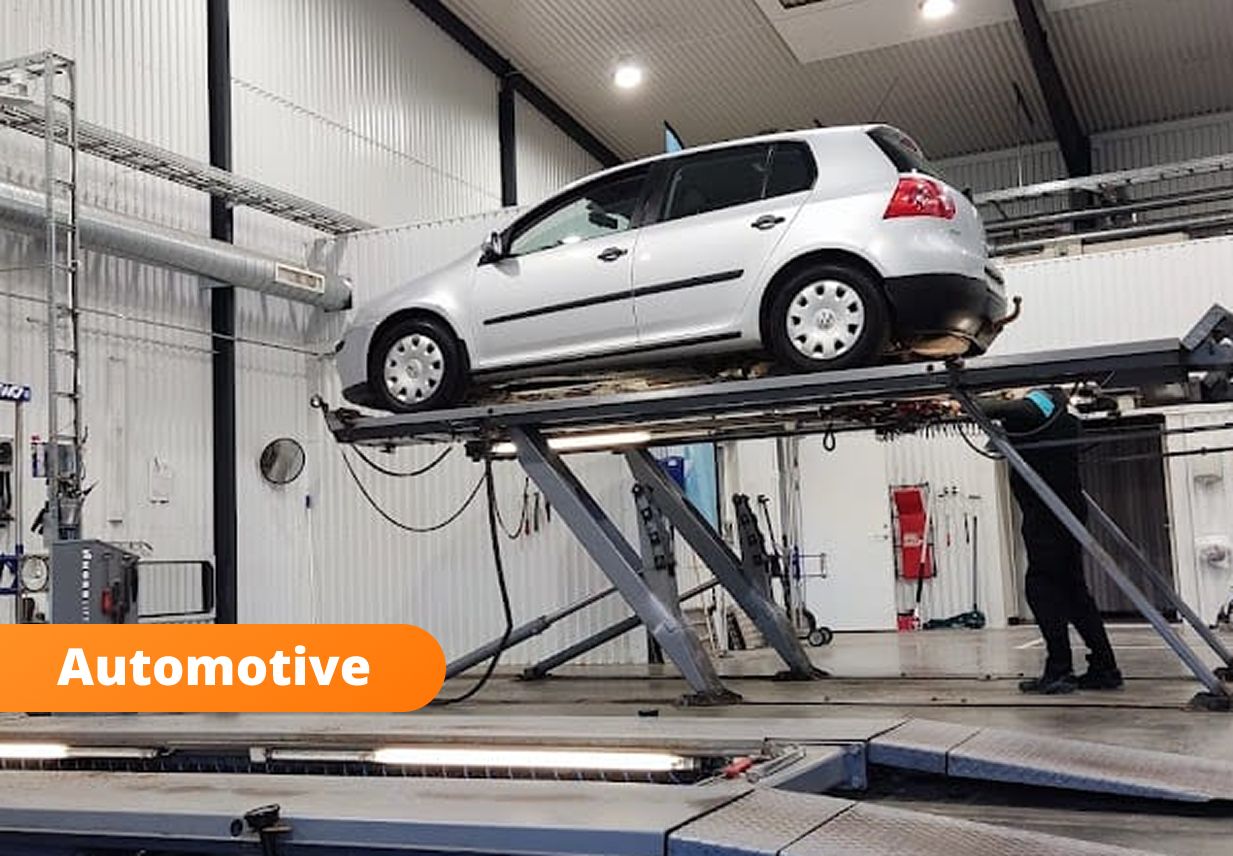
Applus+ Automotive is a global leader in technical vehicle inspection services, operating in countries where periodic inspections are mandatory to ensure safety and environmental compliance. With a strong international presence, the group operates through local brands in Spain, Ireland, Denmark, Argentina, Chile, Andorra, Ecuador, Uruguay, Georgia, and Mexico.
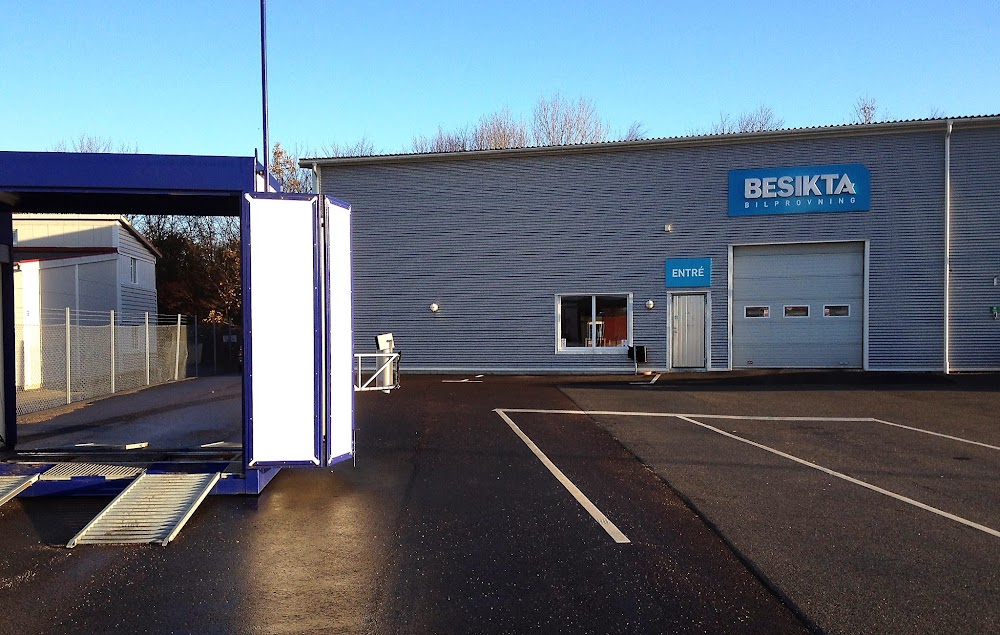
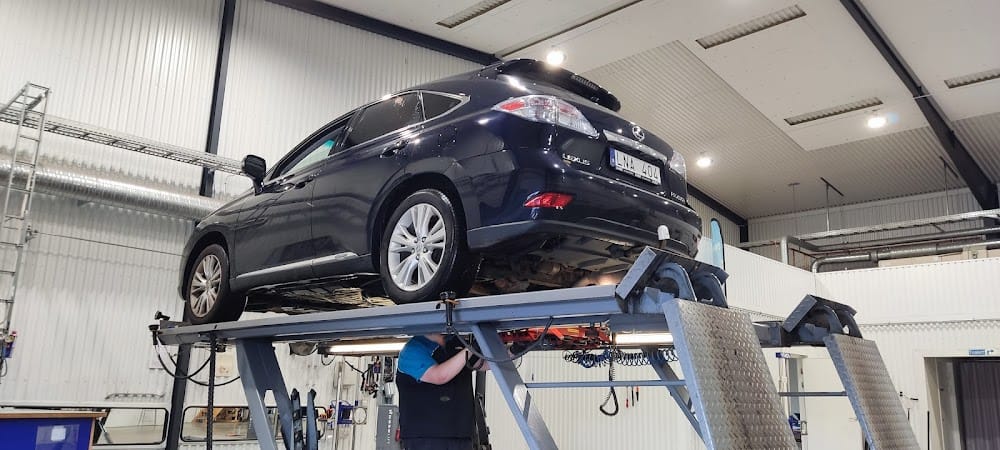
As part of its commitment to digital innovation, Besikta—one of Sweden’s largest vehicle inspection companies with more than 200 centers—is now part of the Applus+ Automotive family. Headquartered in Malmö, Besikta provides essential services including standard inspections for all vehicle types, registration inspections, and specialized safety checks.
Besikta is the first company within the global Applus+ Automotive network to deploy the Bulbthings platform, setting a new digital standard for the group’s maintenance and calibration operations.
[Bulbthings] Before partnering with the Bulbthings Team, what were the primary pain points of managing maintenance and calibrations using manual, paper-based systems?
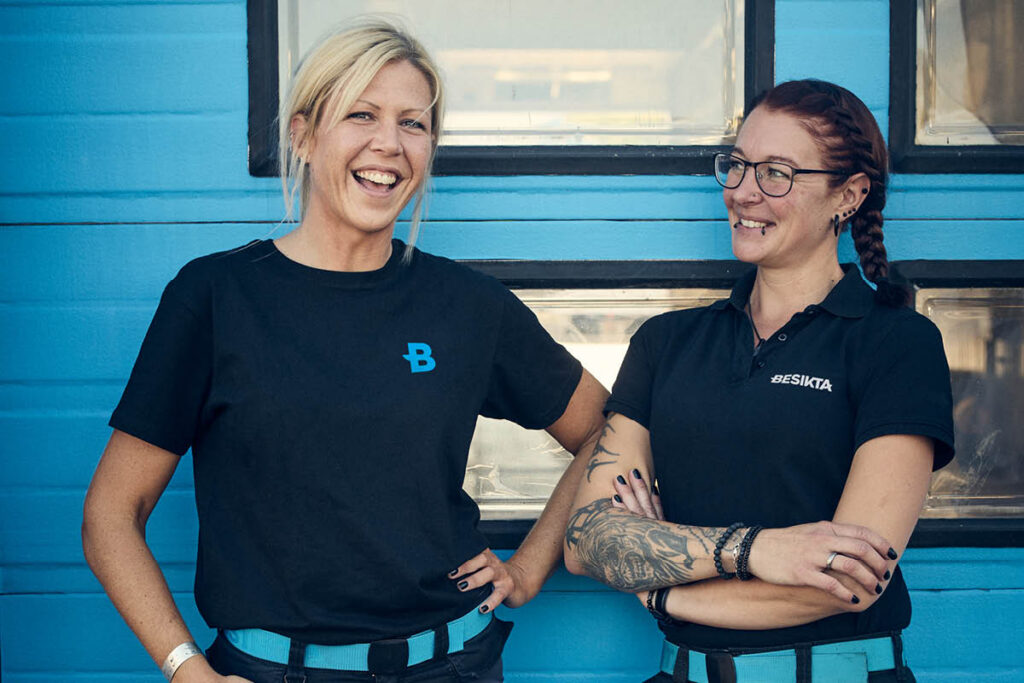
[Magnus Moberg, Technical Director and Patrik Persson, Quality/Environment/Equipment manager] Before the partnership, maintenance and calibration processes relied heavily on manual, paper-based systems. Information was only available physically in binders at each station, making it impossible to track maintenance from a centralized perspective. Tracking calibration dates was time-consuming, and the risk of human error increased the likelihood of missed activities. Ultimately, the lack of visibility and automation led to inefficiencies, high administrative workloads, and a higher risk of non-compliance during audits.
Which specific features of the new digital platform have had the biggest impact on daily operations?
The greatest impact has come from the centralized platform provided by the Bulbthings Team, which combines asset tracking with automated workflows. Real-time monitoring has significantly improved visibility, allowing for immediate insights into asset status and history. This reduces downtime and prevents maintenance delays. Additionally, automated workflows have streamlined operations by triggering tasks and reminders, ensuring that documentation is handled consistently while minimizing manual administration.
This was a complex, structured project over several months. How did the formal project management approach help ensure a smooth transition for the Swedish team?
We had access to Bulbthings standard features from day 1. The Bulbthings Team utilized predefined sprints where workflow customizations were delivered for testing, which was essential for a smooth implementation. A structured project management approach was critical to successfully navigating a project of this size and complexity, ensuring that all deliverables were met from start to finish.
Since “going digital,” what measurable improvements have been seen in terms of data accuracy, compliance, or time saved on administrative tasks?
Since transitioning to the digital solution, data accuracy has improved through standardized, automated handling, and compliance has been strengthened through better traceability. The automation of scheduling by the Bulbthings Team has significantly reduced administrative work, saving valuable time for both the technical and quality teams.
How does having a fully digitalized inventory and workforce assessment system position Applus+ for future growth or regulatory changes?
The system implemented by the Bulbthings Team provides Besikta/Applus+ with better oversight and central control. This digital foundation makes it significantly easier to adapt to future growth and regulatory changes, ensuring continuous data accuracy and real-time monitoring of both internal and external requirements.